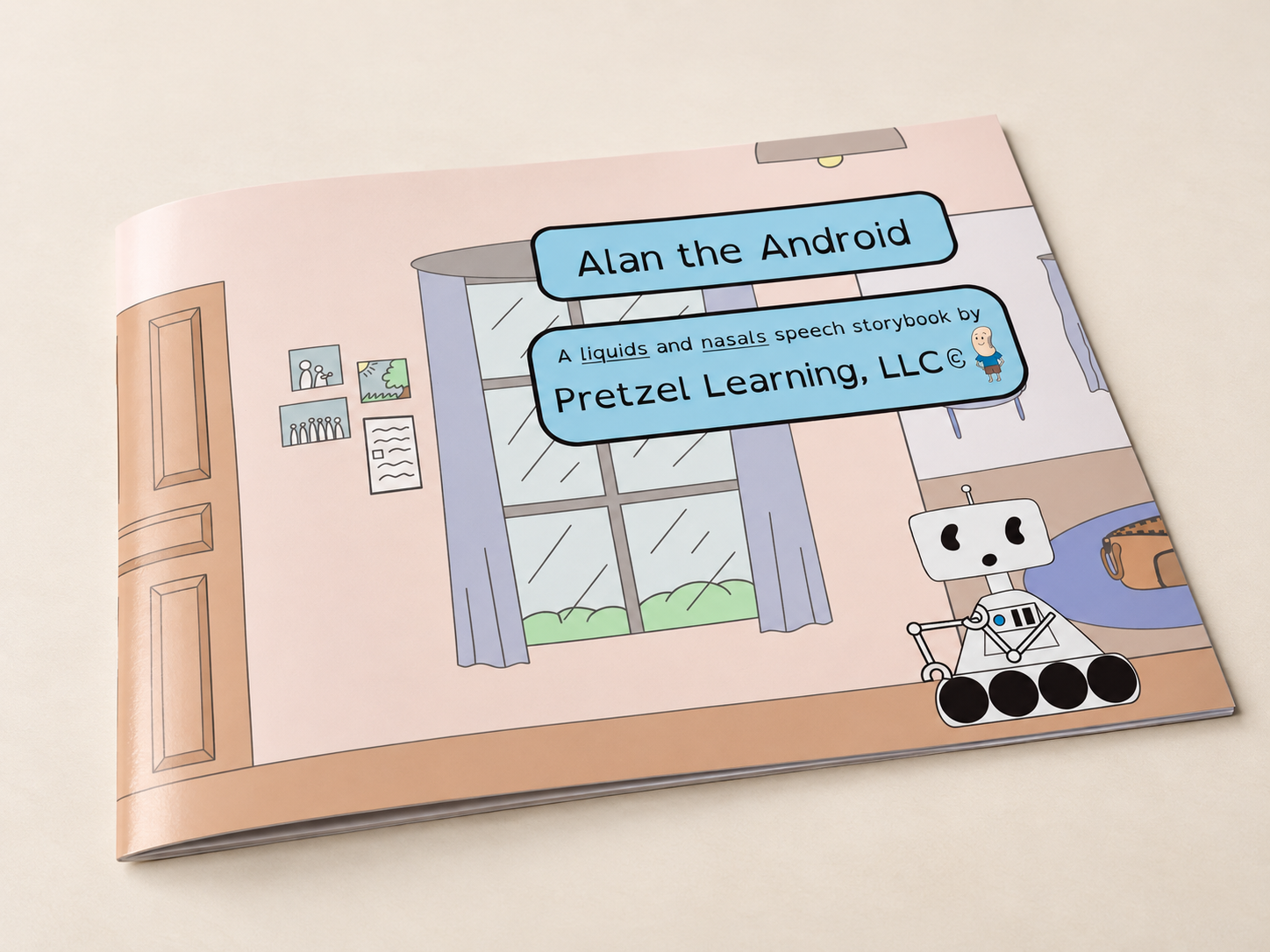
Alan the Android
A Digital Liquids and Nasals Articulation Speech Therapy Storybook | Pretzel Learning, LLC
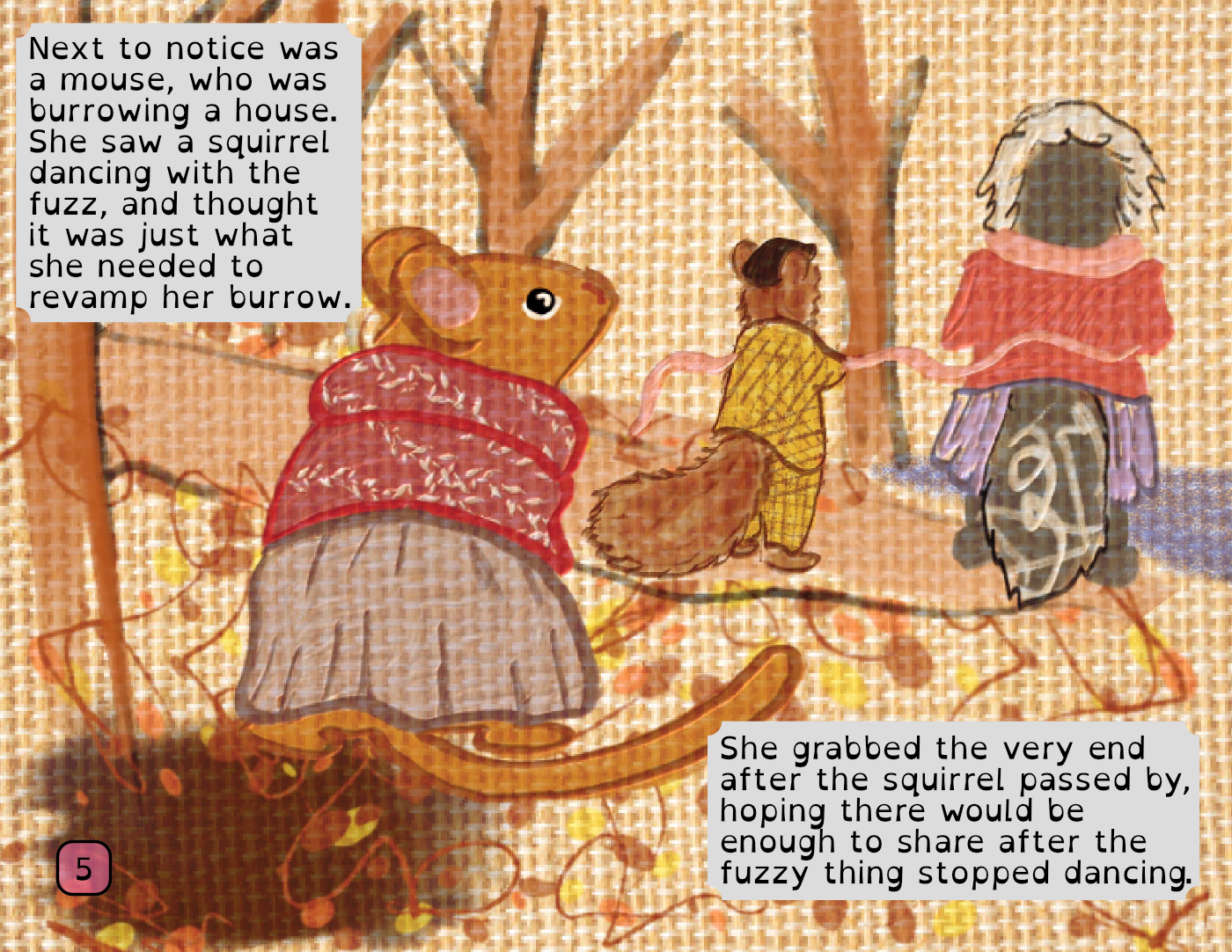
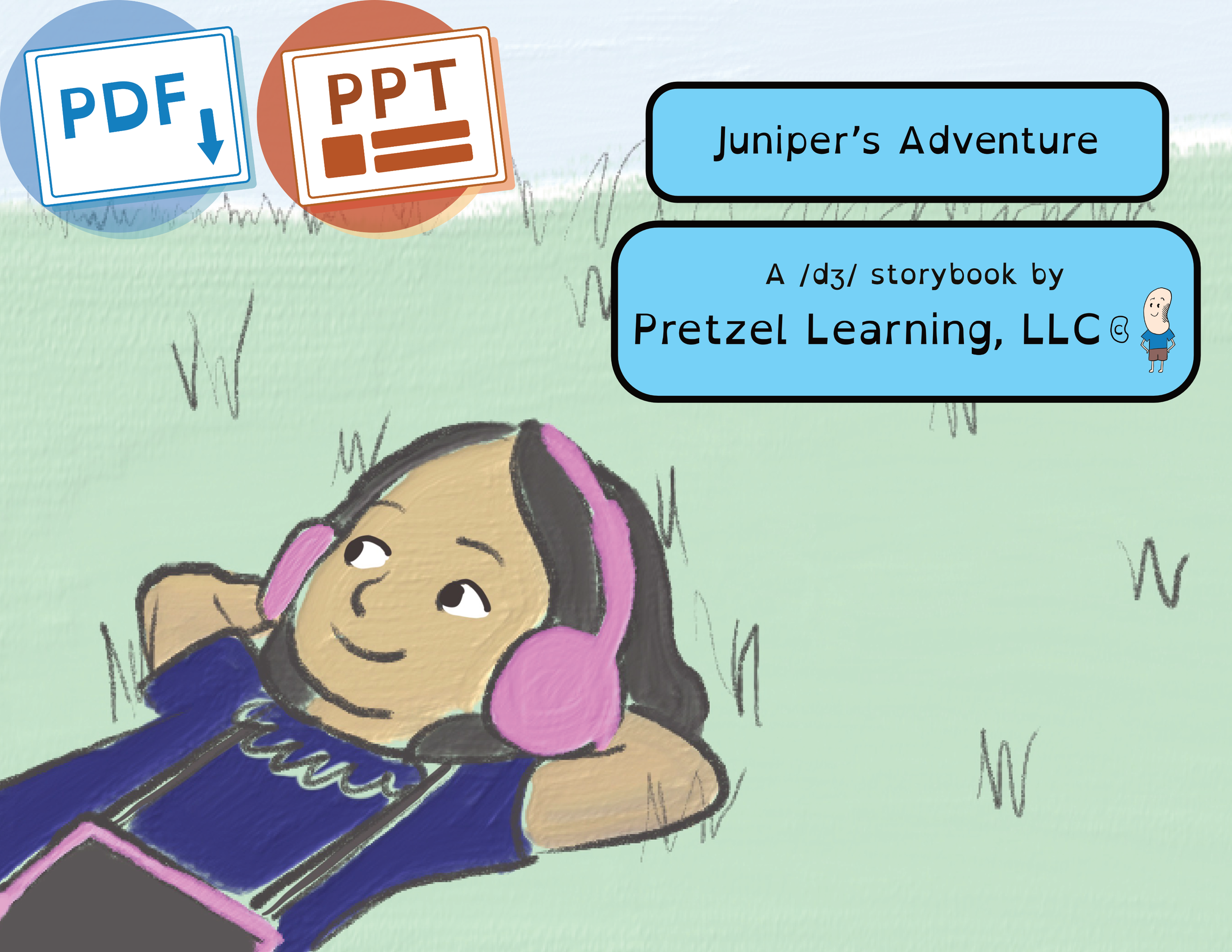
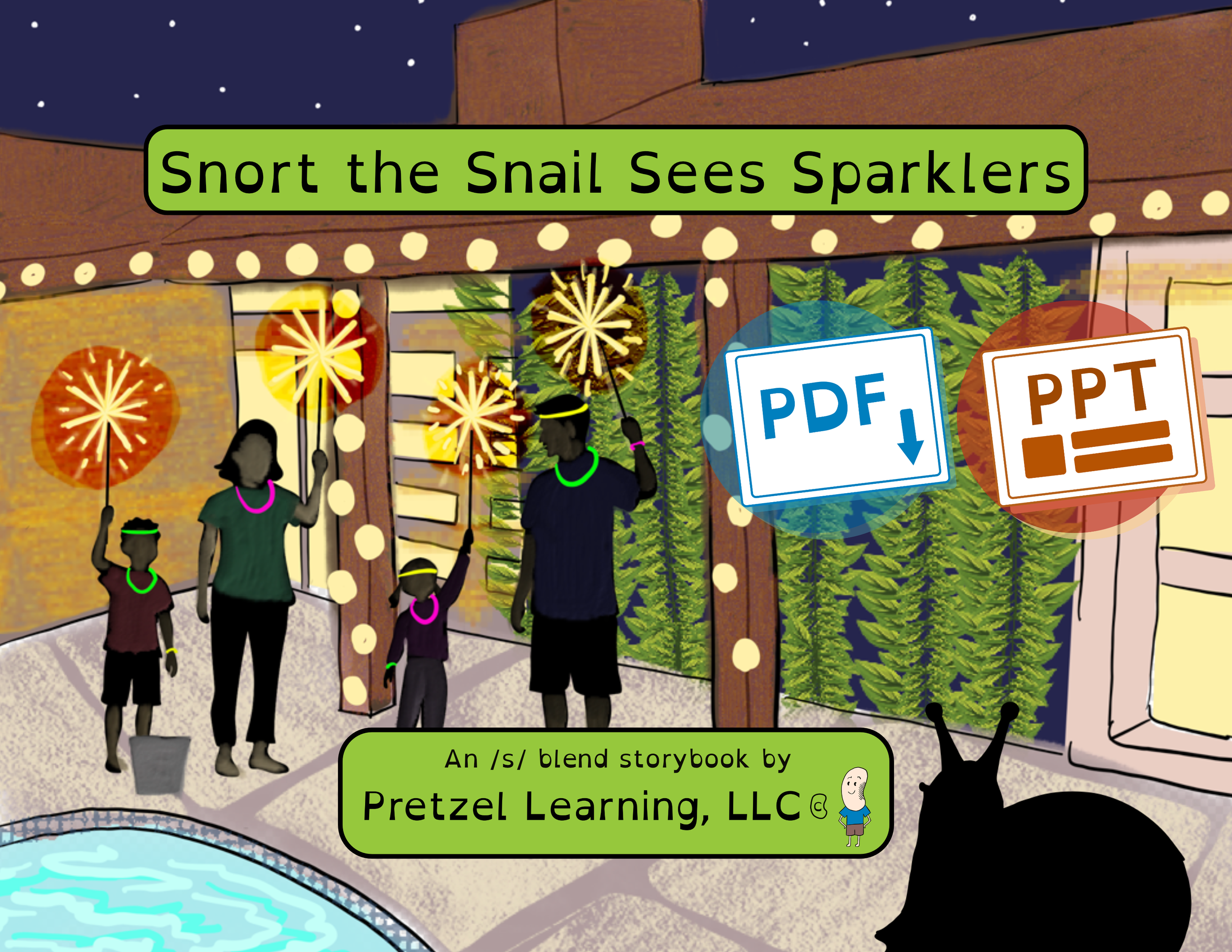
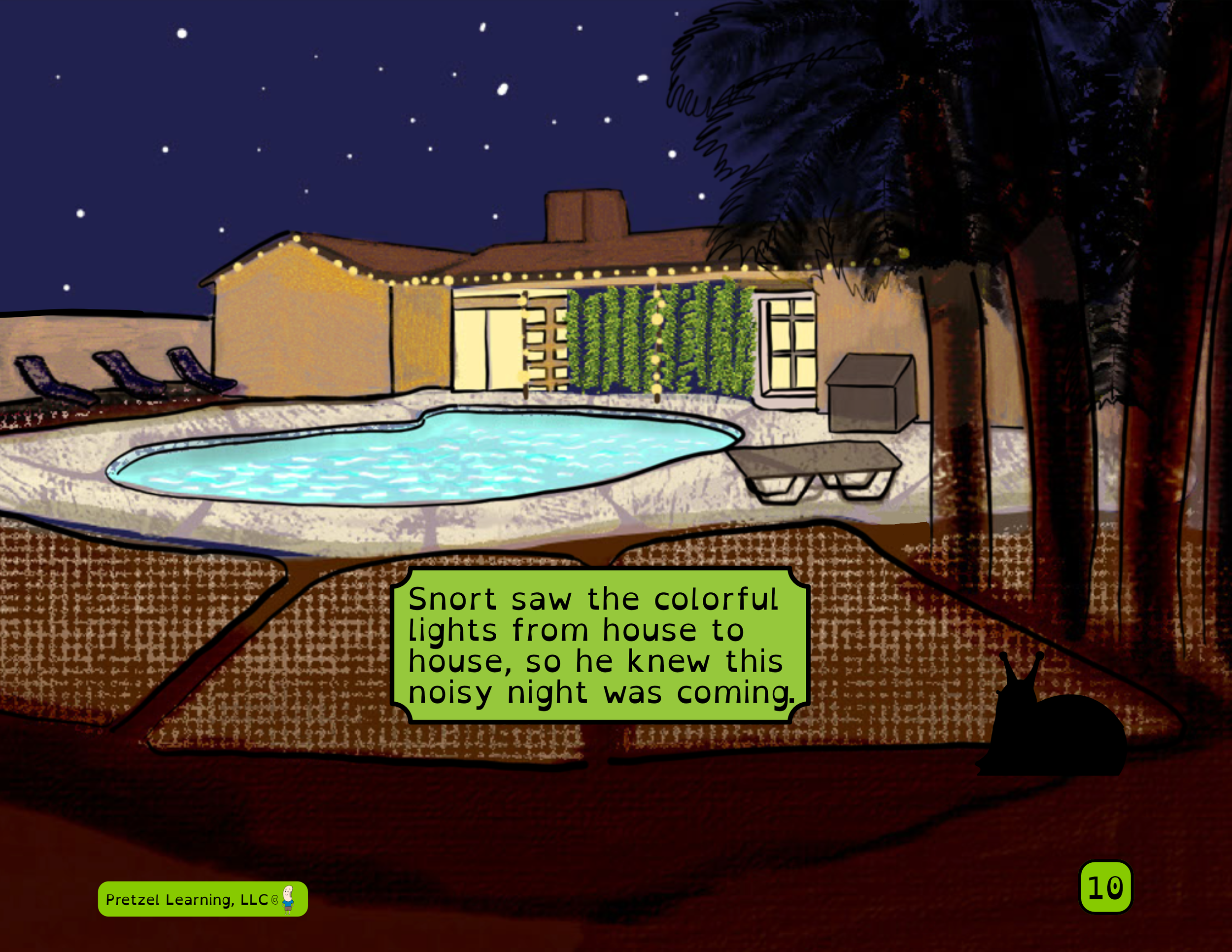
Meet Alan, a cheerful helper robot with a lot to learn, in this hand-illustrated digital speech therapy storybook designed to support articulation, object identification, functional language, and meaningful communication!
Marcus is preparing for a camping trip, and Alan the Android is ready to help him pack.
Marcus gives Alan a short list containing two items: a brush and a light. But Alan soon discovers that everyday objects aren't always easy to identify!
Is a paintbrush the same as a toothbrush? What makes a hairbrush different? And how does a flashlight differ from a lamp or lantern?
As Alan searches the house, he learns that objects can share similar names or features while serving different purposes. Together, Alan and Marcus discover the importance of clear instructions, asking questions, and describing objects by their functions.
What's Included With Your Purchase?
This Digital Speech Storybook includes three downloadable files:
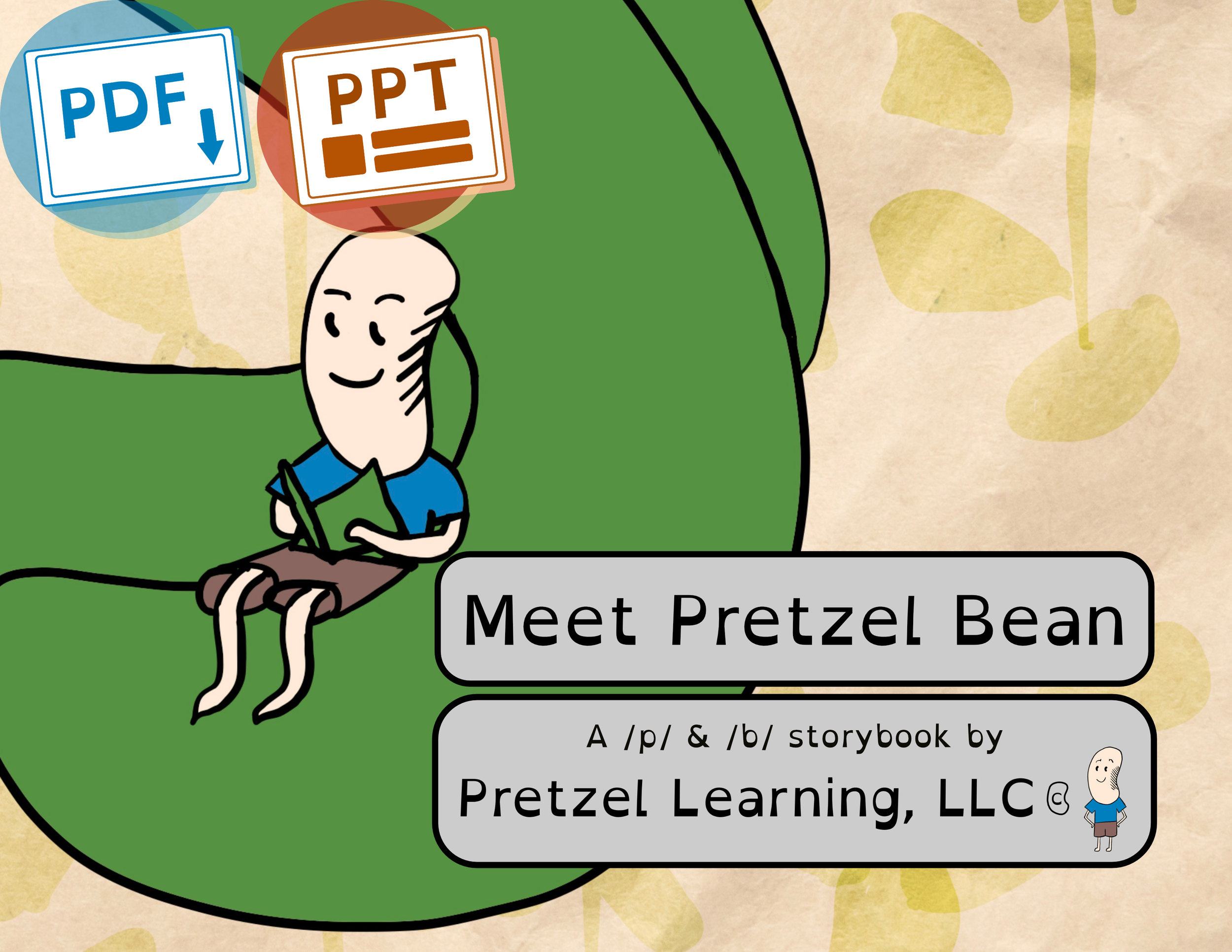
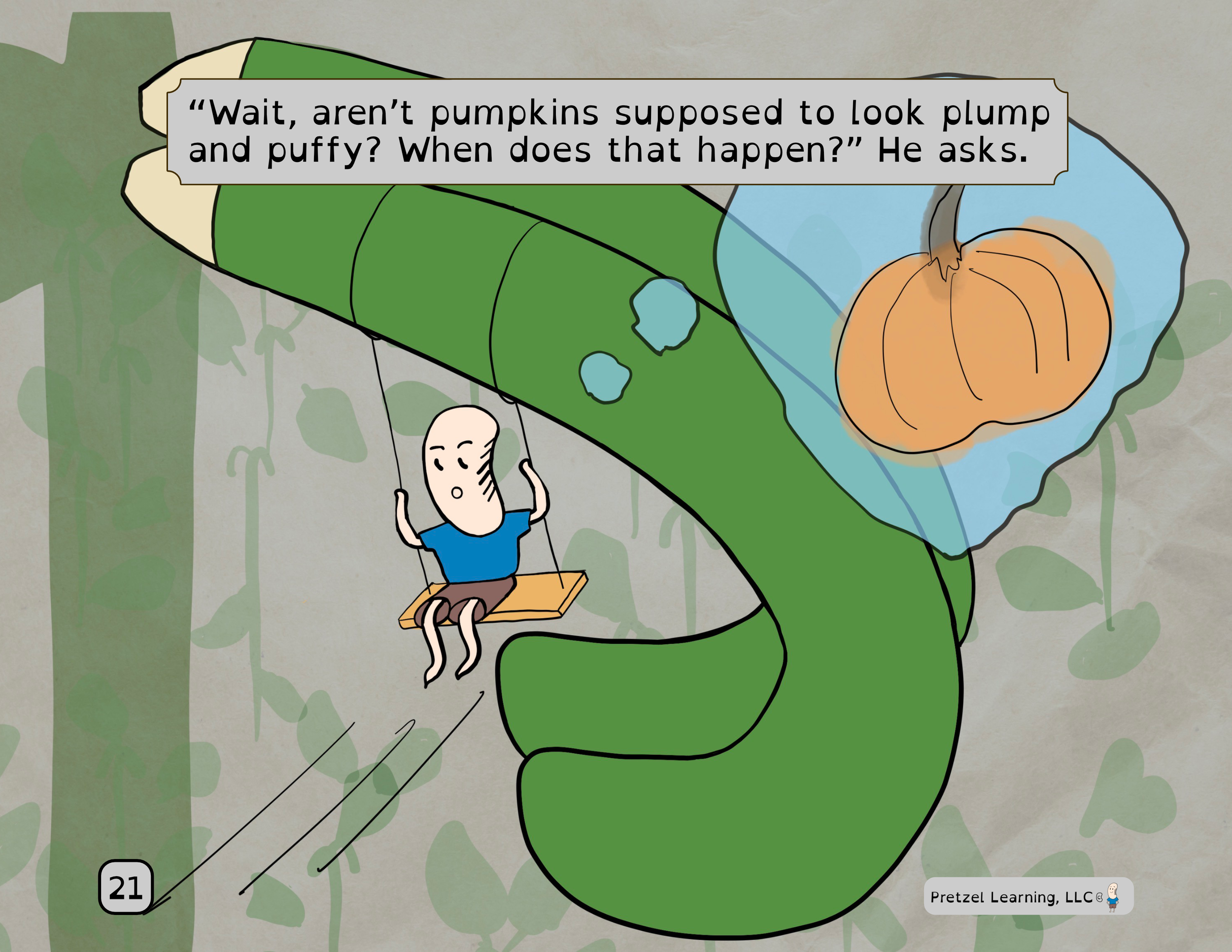
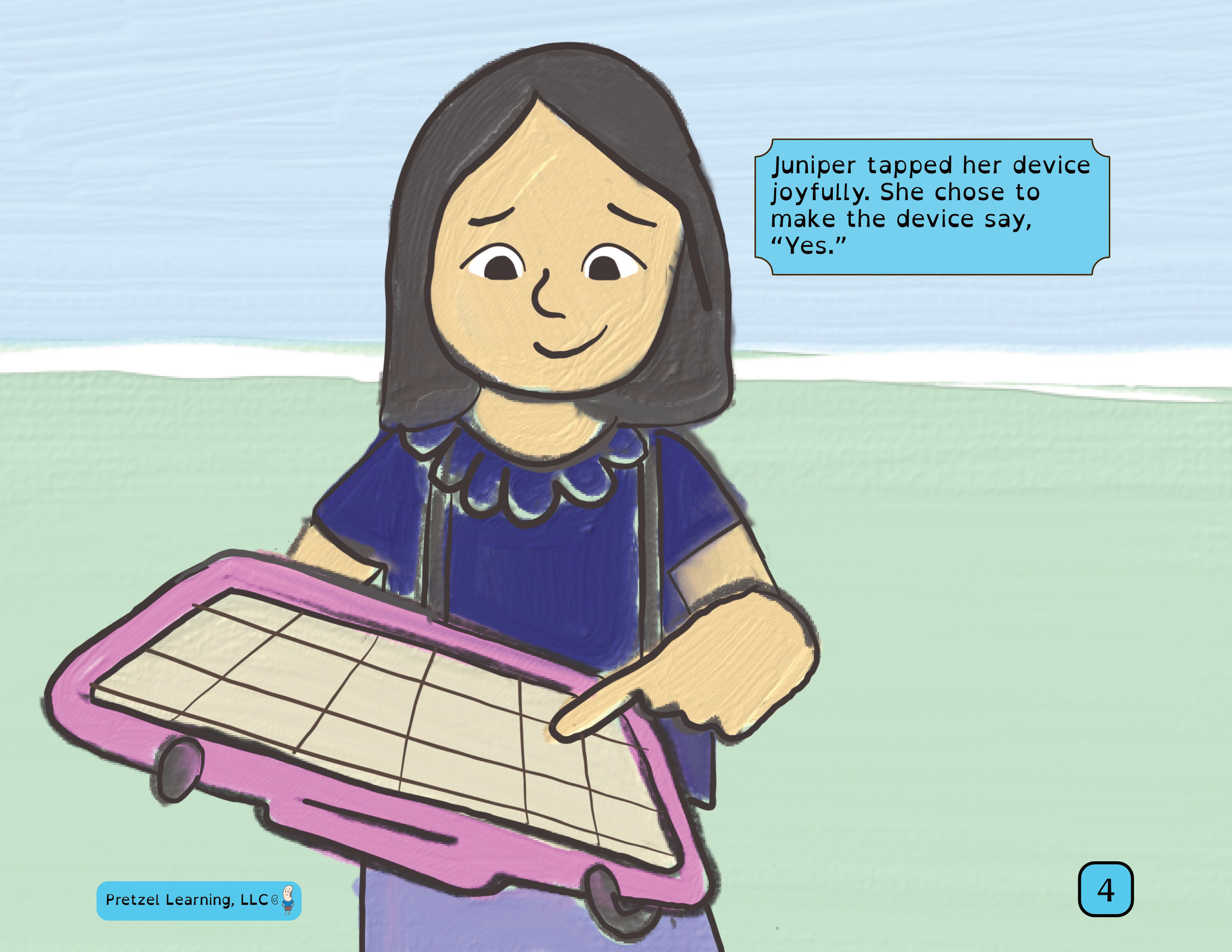
Storybook (PDF): A digital copy of the fully illustrated storybook for viewing on compatible computers, iPads, tablets, and other supported mobile devices.
Storybook (PowerPoint): A presentation-friendly version for individual sessions, small-group therapy, and classroom instruction.
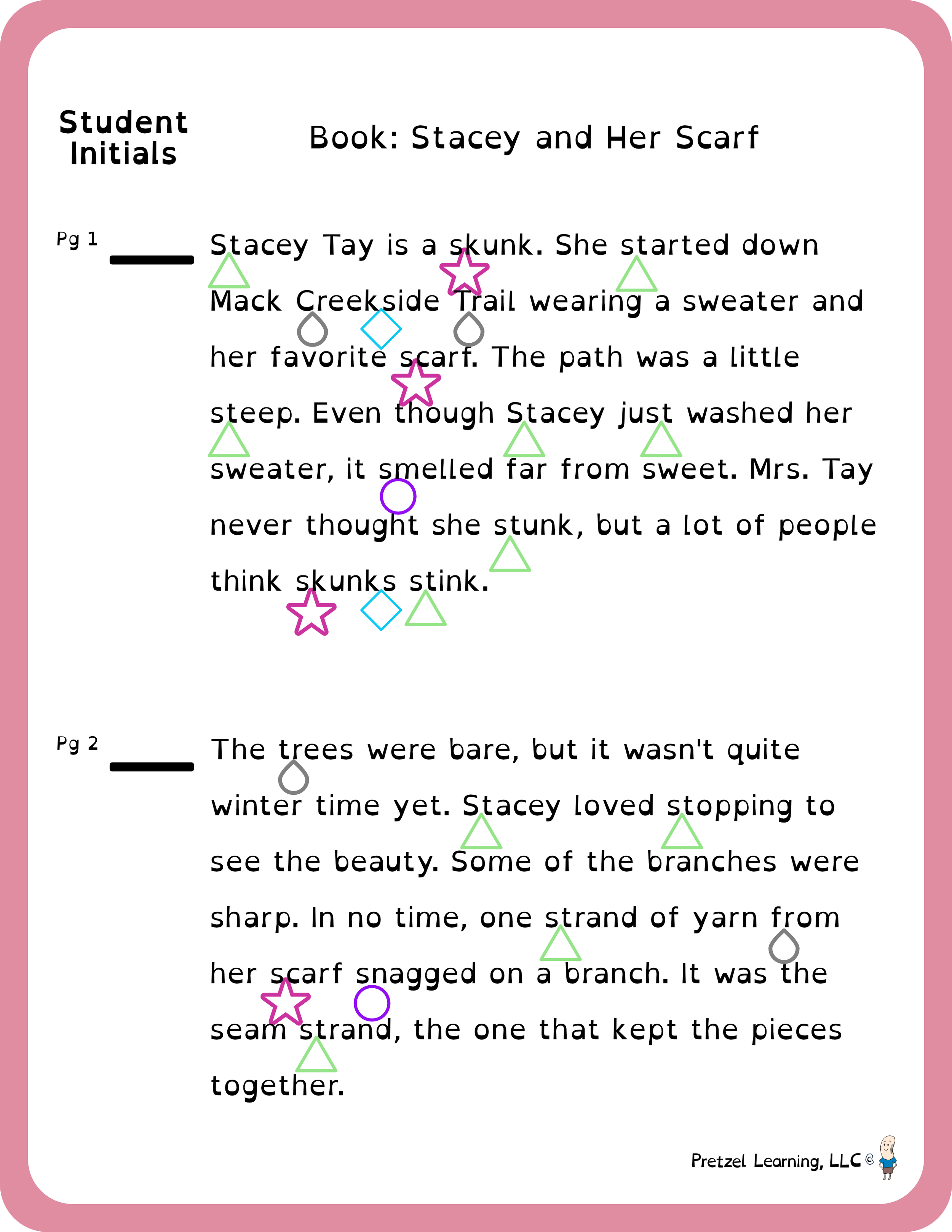
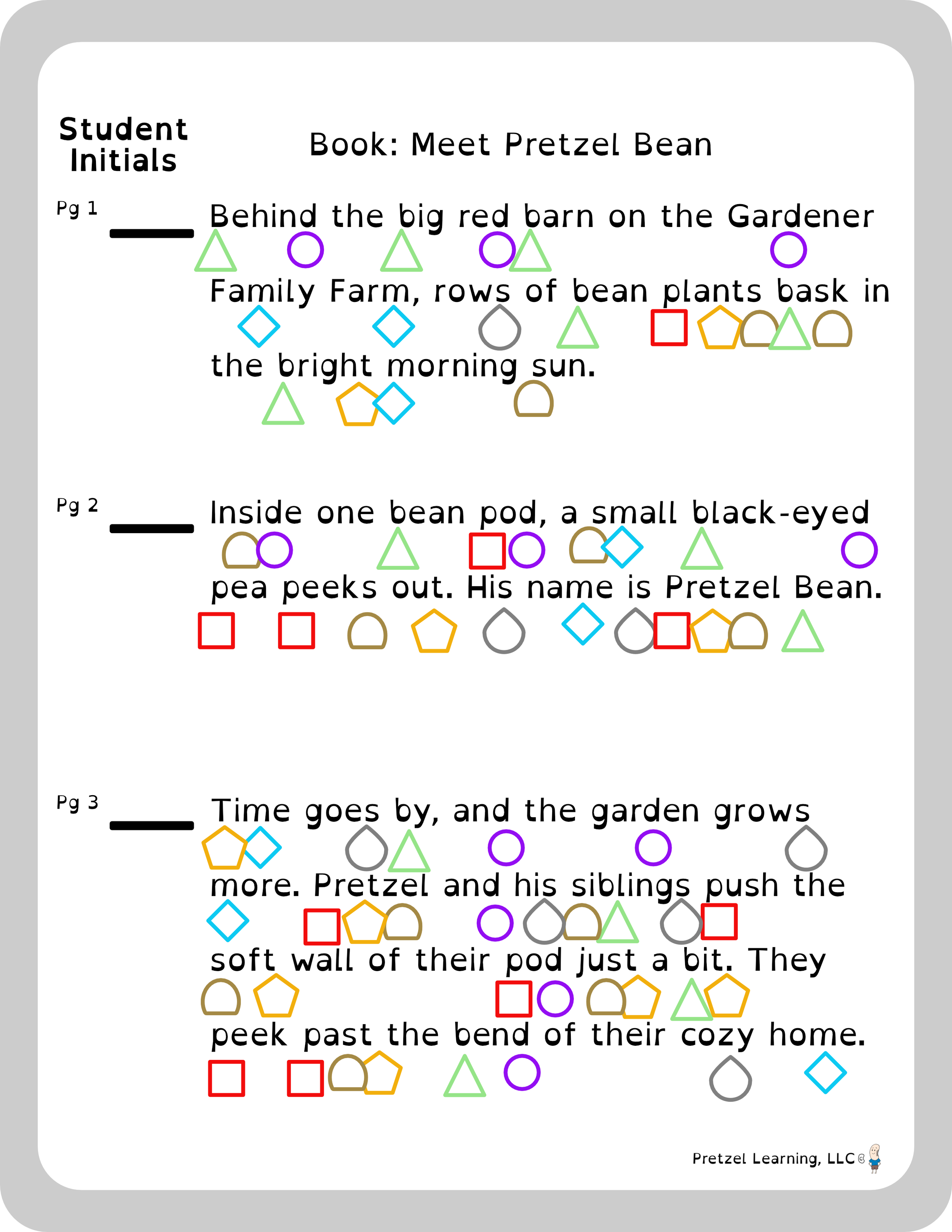
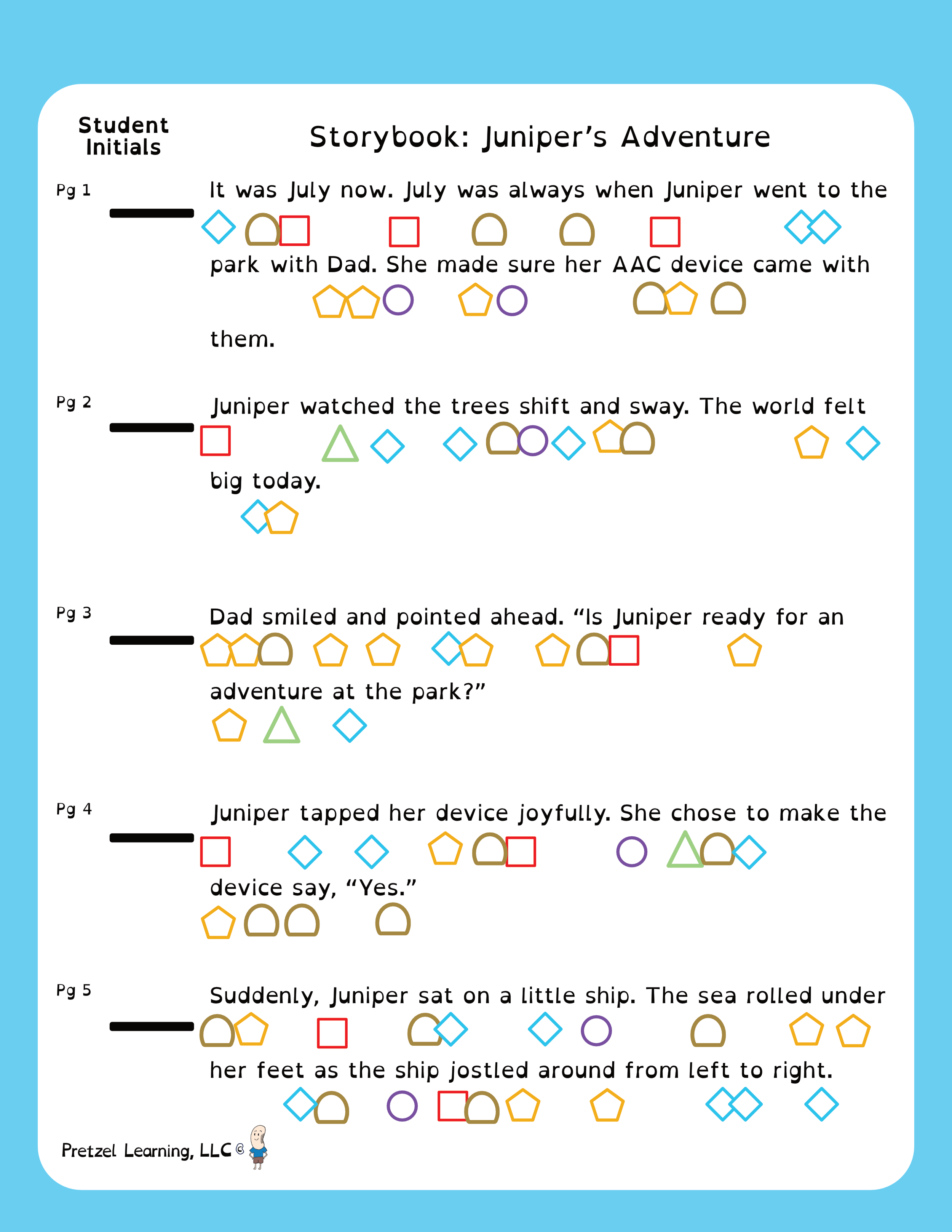
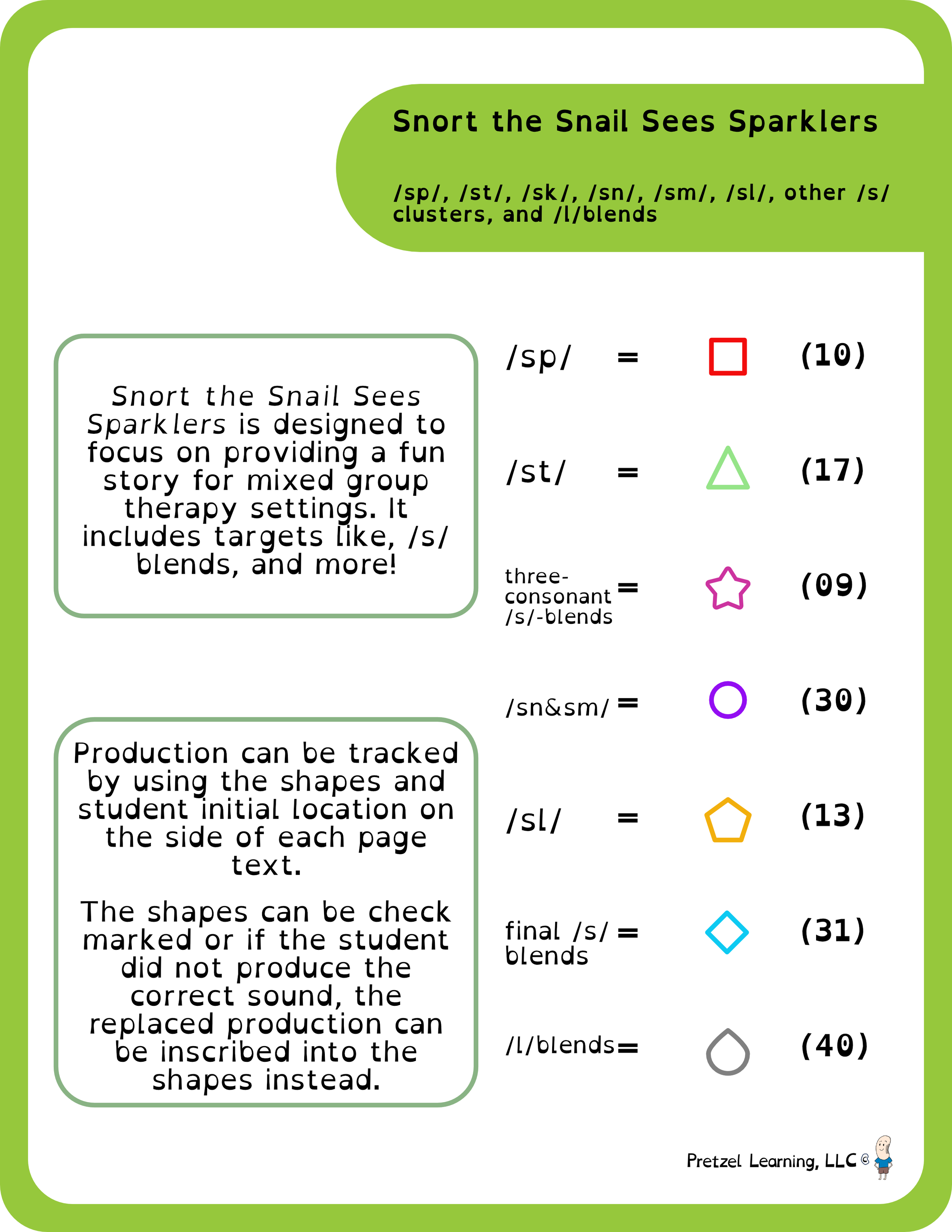
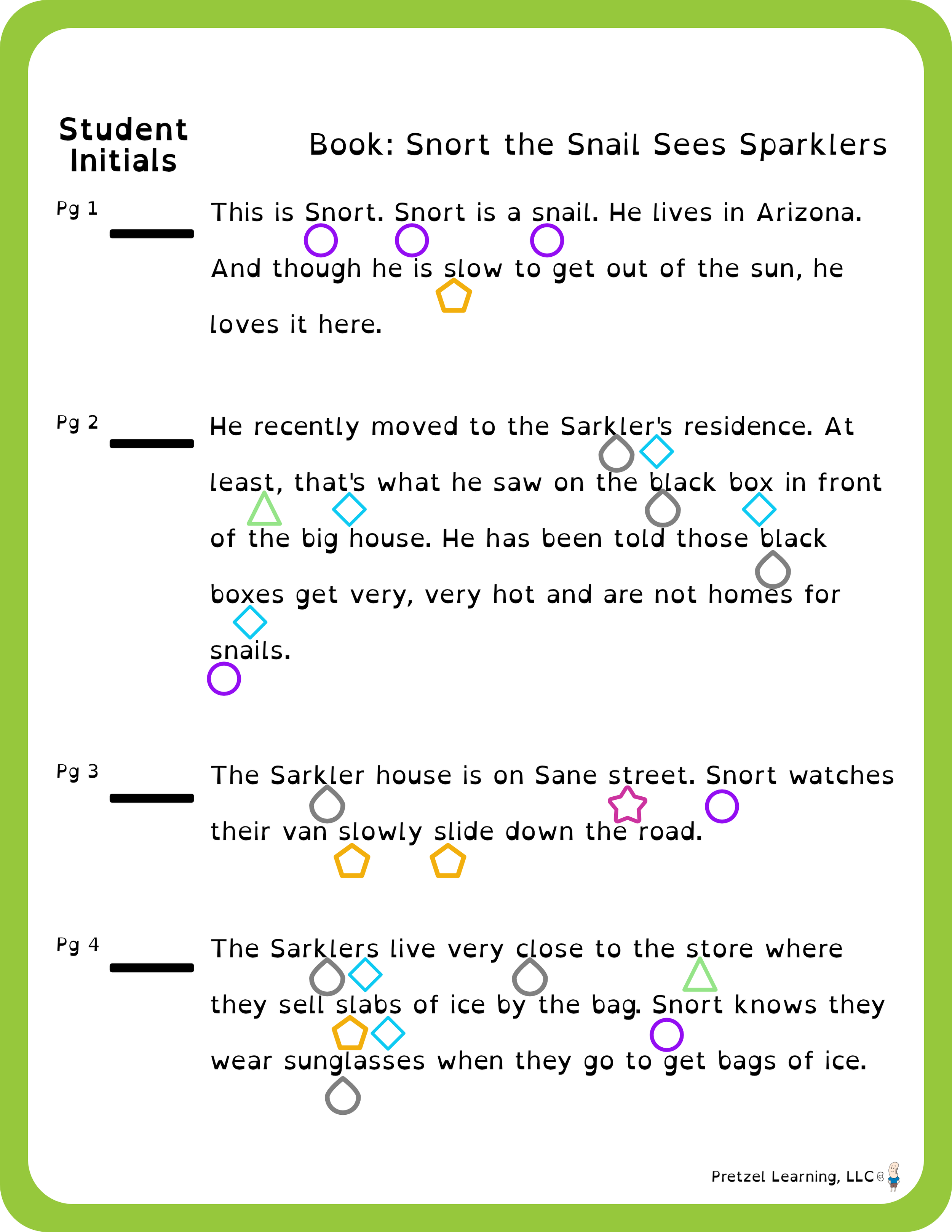
Articulation Data Tracker (PDF): A separate therapist resource featuring narrative text with color-coded speech sound targets for articulation monitoring and data collection.
These formats make it convenient to display pages, revisit target words, and use the narrative across different therapy environments.
This purchase includes the PDF and PowerPoint storybooks plus the PDF Articulation Data Tracker. Printed copies and additional Digital Speech Materials are sold separately.
Targeted Articulation Through Connected Speech
Developed specifically for speech-language therapy, the 28-page narrative emphasizes /l/ and nasal consonants, with additional opportunities for /r/, /s/, and /z/ production.
Primary Articulation Target:
Additional Articulation Targets:
/n/ – need, no, lantern
/ŋ/ – camping, packing, helping
/m/ – Marcus, more, room
/r/ – robot, brush, ready
/s/ and /z/ – said, small, was
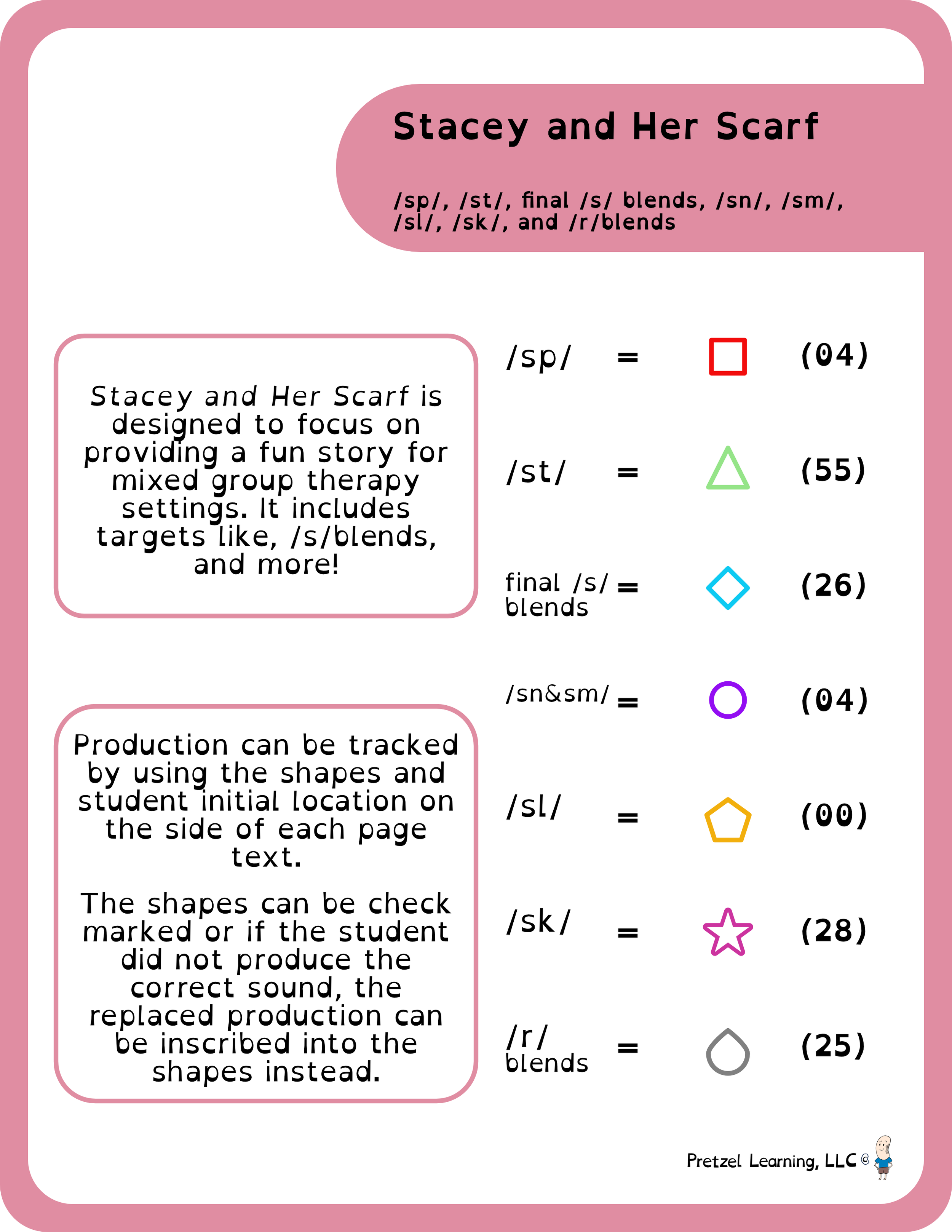
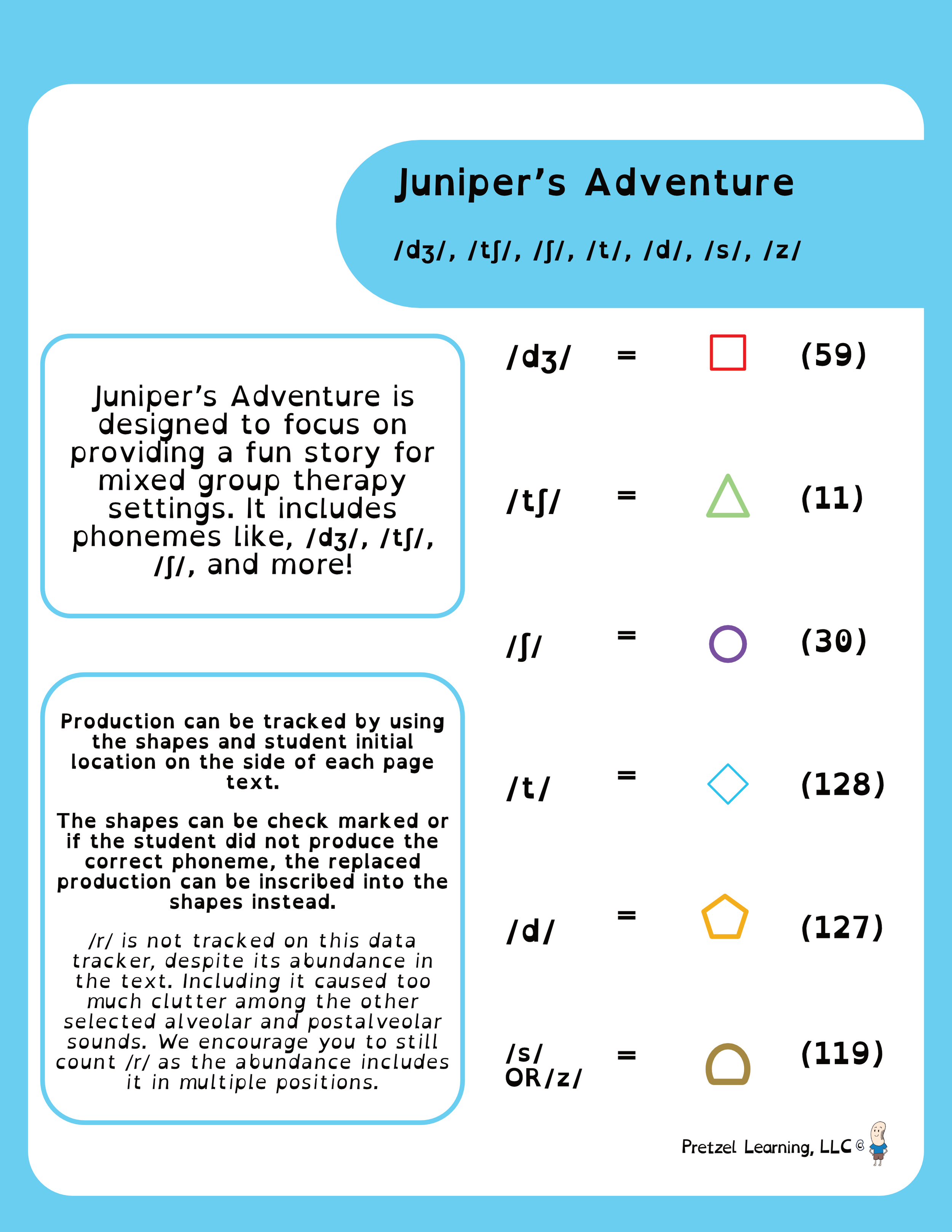
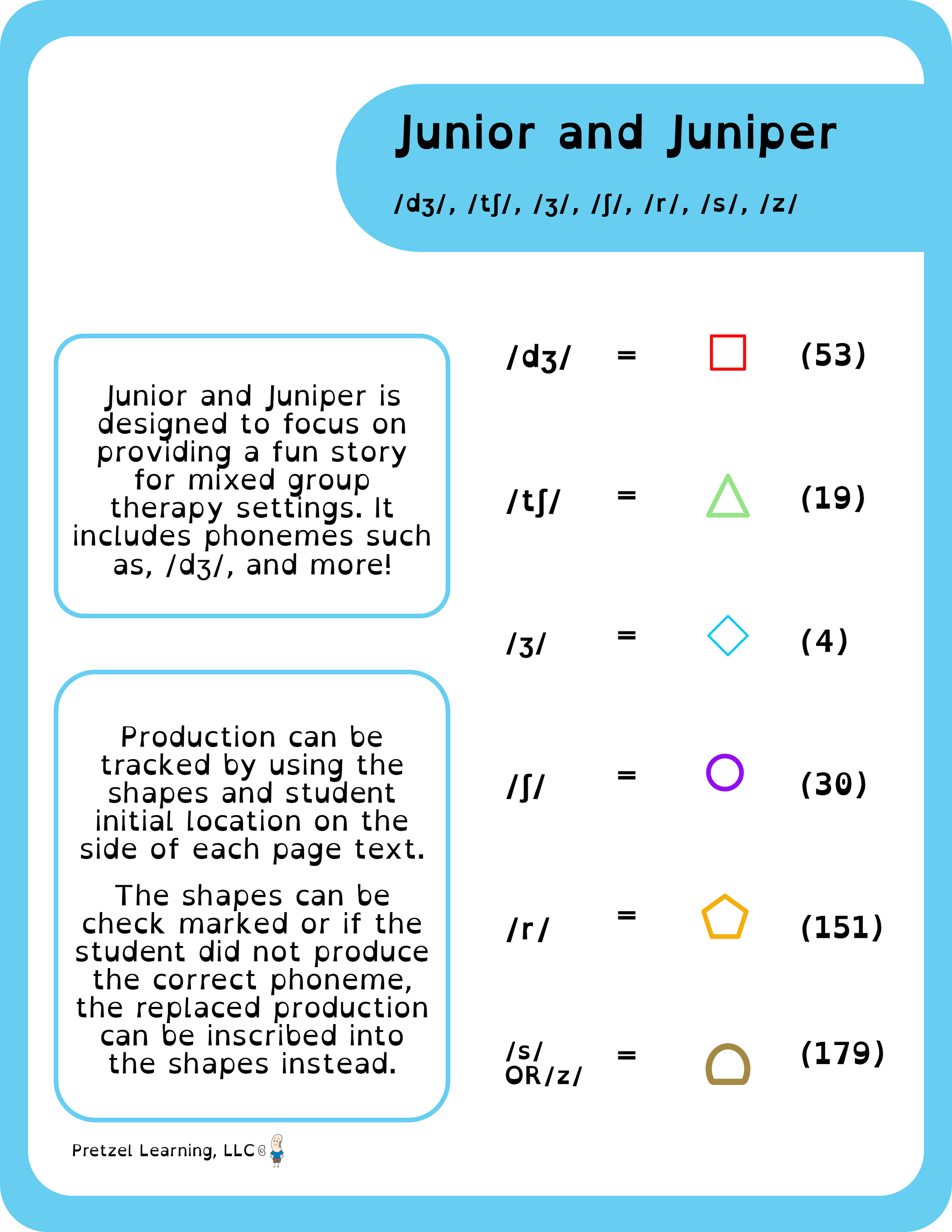
The included Articulation Data Tracker identifies the following target occurrences:
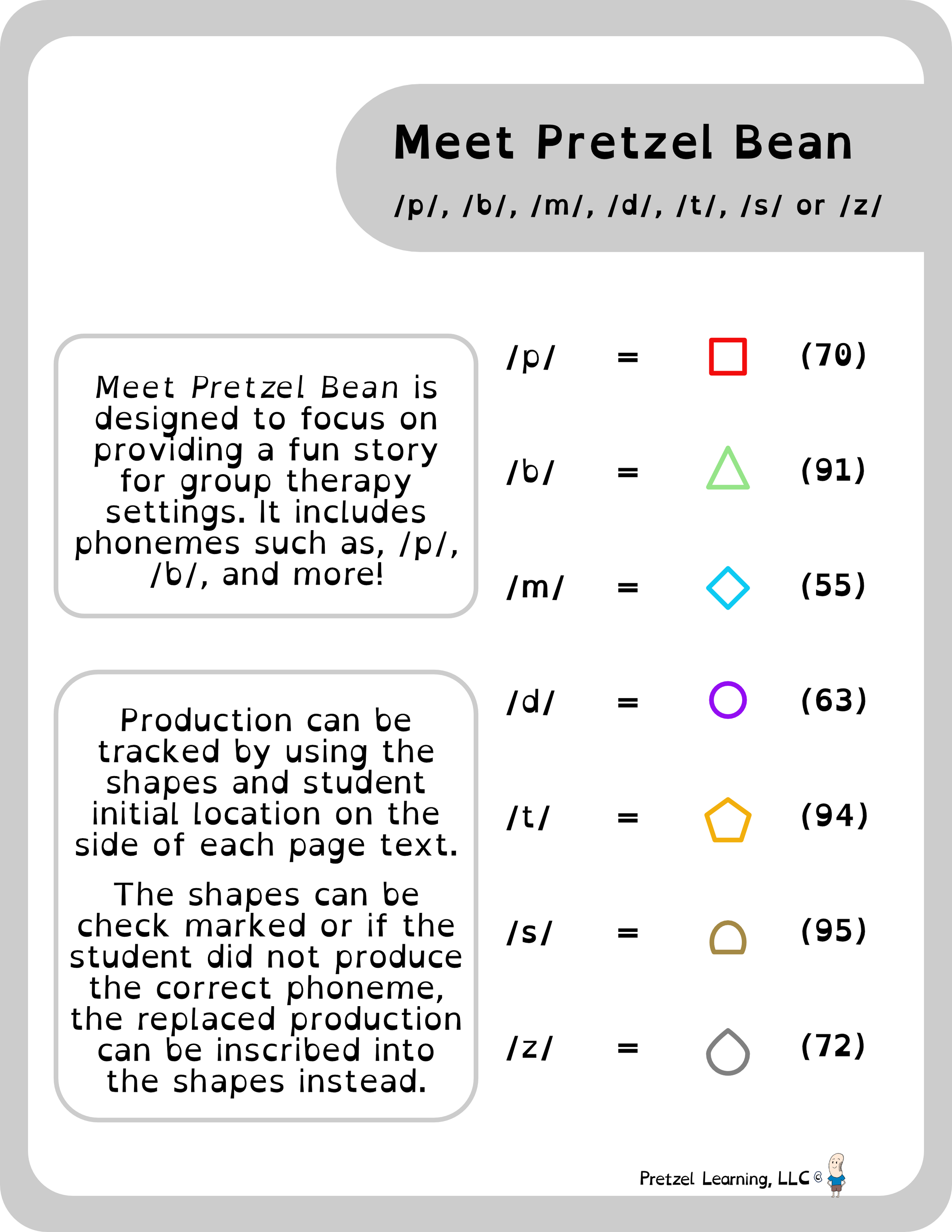
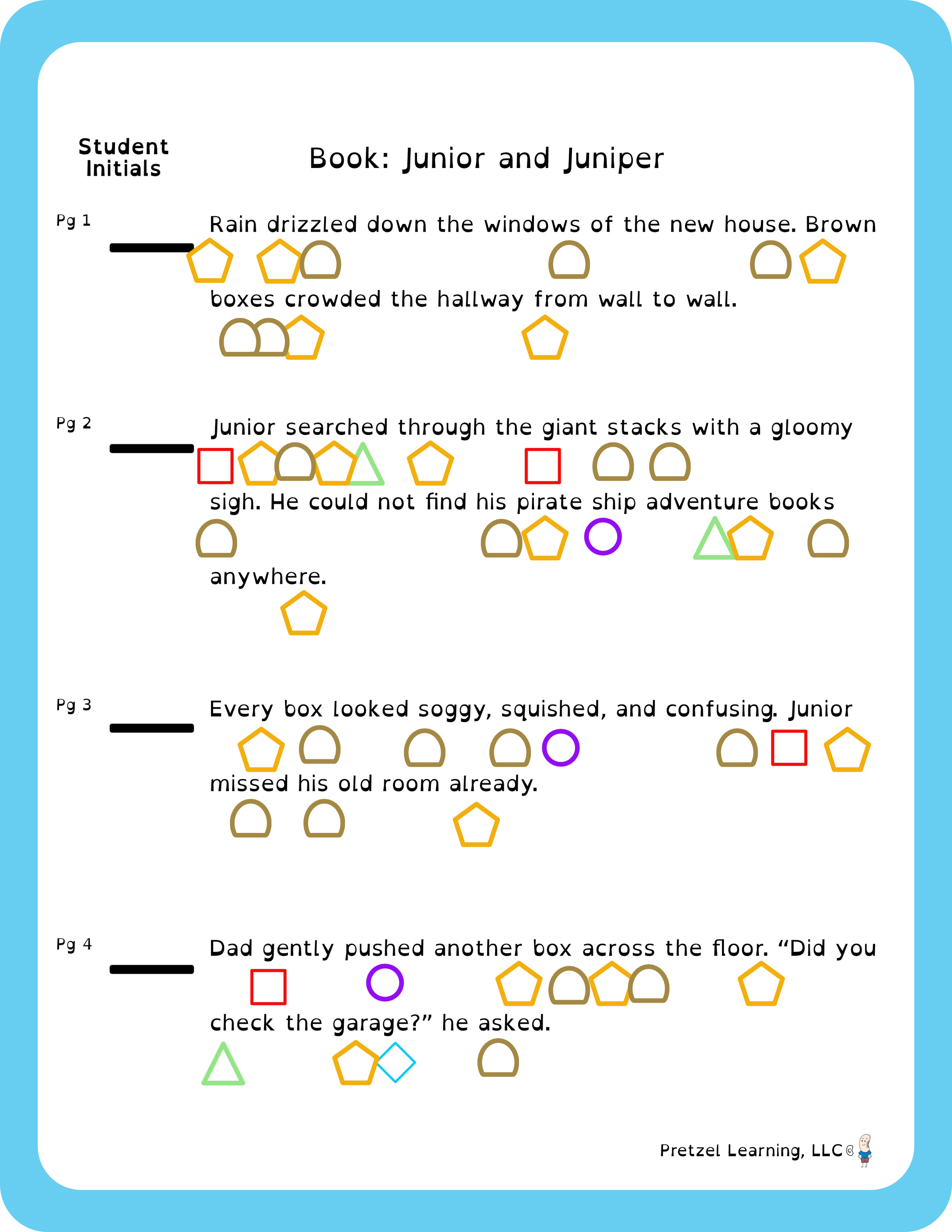
The tracker uses color-coded shapes alongside the narrative text, allowing clinicians to mark productions, record substitutions, and monitor student performance.
These documented opportunities make Alan the Android adaptable for individual students and mixed-goal therapy groups.
Building Functional Language Through Object Identification
A distinguishing feature of Alan the Android is that understanding object functions is central to the story itself.
Alan must compare familiar household objects, identify their features, and determine which items are appropriate for specific tasks.
Students can explore how paintbrushes, hairbrushes, and toothbrushes belong to the same general category but have different functions. They can also compare lamps, lanterns, and flashlights to identify similarities and differences.
These situations naturally support semantic categorization, descriptive vocabulary, object functions, and asking clarifying questions.
As Marcus learns to give more specific instructions, students can also explore communication repair, following directions, and understanding why precise language matters.
Speech and Language Goals Supported
Primary Articulation: /l/ in connected speech
Additional Articulation: /n/, /ŋ/, /m/, /r/, /s/, and /z/
Phonological Awareness: Sound identification and auditory discrimination
Object Identification: Recognizing and naming everyday objects
Object Functions: Understanding and explaining how objects are used
Semantic Development: Categorization, describing features, and comparing similar objects
Expressive and Receptive Language: Vocabulary development and comprehension
Functional Communication: Following directions, requesting clarification, and communication repair
Narrative Skills: Sequencing, retelling, WH questions, and story comprehension
Higher-Level Language: Reasoning, predictions, cause-and-effect relationships, and problem solving
Extend the Story With Coordinated Digital Speech Materials
Alan the Android connects with Pretzel Learning's separately available Digital Speech Materials, which may include articulation word lists, word-phrase-sentence activities, object identification exercises, semantic feature analysis, WH questions, and other story-based language resources.
These companion activities reinforce familiar vocabulary and communication goals across multiple therapy sessions.
Digital Speech Materials are sold separately and are not included with this purchase.
Whether viewed on an iPad, computer, or classroom display, Alan the Android provides a flexible digital resource for individual and mixed-goal speech therapy sessions.
Bring storytelling and speech therapy together with Pretzel Learning, where every story is built with communication in mind.
Alan the Android
A Digital Liquids and Nasals Articulation Speech Therapy Storybook | Pretzel Learning, LLC
Meet Alan, a cheerful helper robot with a lot to learn, in this hand-illustrated digital speech therapy storybook designed to support articulation, object identification, functional language, and meaningful communication!
Marcus is preparing for a camping trip, and Alan the Android is ready to help him pack.
Marcus gives Alan a short list containing two items: a brush and a light. But Alan soon discovers that everyday objects aren't always easy to identify!
Is a paintbrush the same as a toothbrush? What makes a hairbrush different? And how does a flashlight differ from a lamp or lantern?
As Alan searches the house, he learns that objects can share similar names or features while serving different purposes. Together, Alan and Marcus discover the importance of clear instructions, asking questions, and describing objects by their functions.
What's Included With Your Purchase?
This Digital Speech Storybook includes three downloadable files:
Storybook (PDF): A digital copy of the fully illustrated storybook for viewing on compatible computers, iPads, tablets, and other supported mobile devices.
Storybook (PowerPoint): A presentation-friendly version for individual sessions, small-group therapy, and classroom instruction.
Articulation Data Tracker (PDF): A separate therapist resource featuring narrative text with color-coded speech sound targets for articulation monitoring and data collection.
These formats make it convenient to display pages, revisit target words, and use the narrative across different therapy environments.
This purchase includes the PDF and PowerPoint storybooks plus the PDF Articulation Data Tracker. Printed copies and additional Digital Speech Materials are sold separately.
Targeted Articulation Through Connected Speech
Developed specifically for speech-language therapy, the 28-page narrative emphasizes /l/ and nasal consonants, with additional opportunities for /r/, /s/, and /z/ production.
Primary Articulation Target:
Additional Articulation Targets:
/n/ – need, no, lantern
/ŋ/ – camping, packing, helping
/m/ – Marcus, more, room
/r/ – robot, brush, ready
/s/ and /z/ – said, small, was
The included Articulation Data Tracker identifies the following target occurrences:
The tracker uses color-coded shapes alongside the narrative text, allowing clinicians to mark productions, record substitutions, and monitor student performance.
These documented opportunities make Alan the Android adaptable for individual students and mixed-goal therapy groups.
Building Functional Language Through Object Identification
A distinguishing feature of Alan the Android is that understanding object functions is central to the story itself.
Alan must compare familiar household objects, identify their features, and determine which items are appropriate for specific tasks.
Students can explore how paintbrushes, hairbrushes, and toothbrushes belong to the same general category but have different functions. They can also compare lamps, lanterns, and flashlights to identify similarities and differences.
These situations naturally support semantic categorization, descriptive vocabulary, object functions, and asking clarifying questions.
As Marcus learns to give more specific instructions, students can also explore communication repair, following directions, and understanding why precise language matters.
Speech and Language Goals Supported
Primary Articulation: /l/ in connected speech
Additional Articulation: /n/, /ŋ/, /m/, /r/, /s/, and /z/
Phonological Awareness: Sound identification and auditory discrimination
Object Identification: Recognizing and naming everyday objects
Object Functions: Understanding and explaining how objects are used
Semantic Development: Categorization, describing features, and comparing similar objects
Expressive and Receptive Language: Vocabulary development and comprehension
Functional Communication: Following directions, requesting clarification, and communication repair
Narrative Skills: Sequencing, retelling, WH questions, and story comprehension
Higher-Level Language: Reasoning, predictions, cause-and-effect relationships, and problem solving
Extend the Story With Coordinated Digital Speech Materials
Alan the Android connects with Pretzel Learning's separately available Digital Speech Materials, which may include articulation word lists, word-phrase-sentence activities, object identification exercises, semantic feature analysis, WH questions, and other story-based language resources.
These companion activities reinforce familiar vocabulary and communication goals across multiple therapy sessions.
Digital Speech Materials are sold separately and are not included with this purchase.
Whether viewed on an iPad, computer, or classroom display, Alan the Android provides a flexible digital resource for individual and mixed-goal speech therapy sessions.
Bring storytelling and speech therapy together with Pretzel Learning, where every story is built with communication in mind.


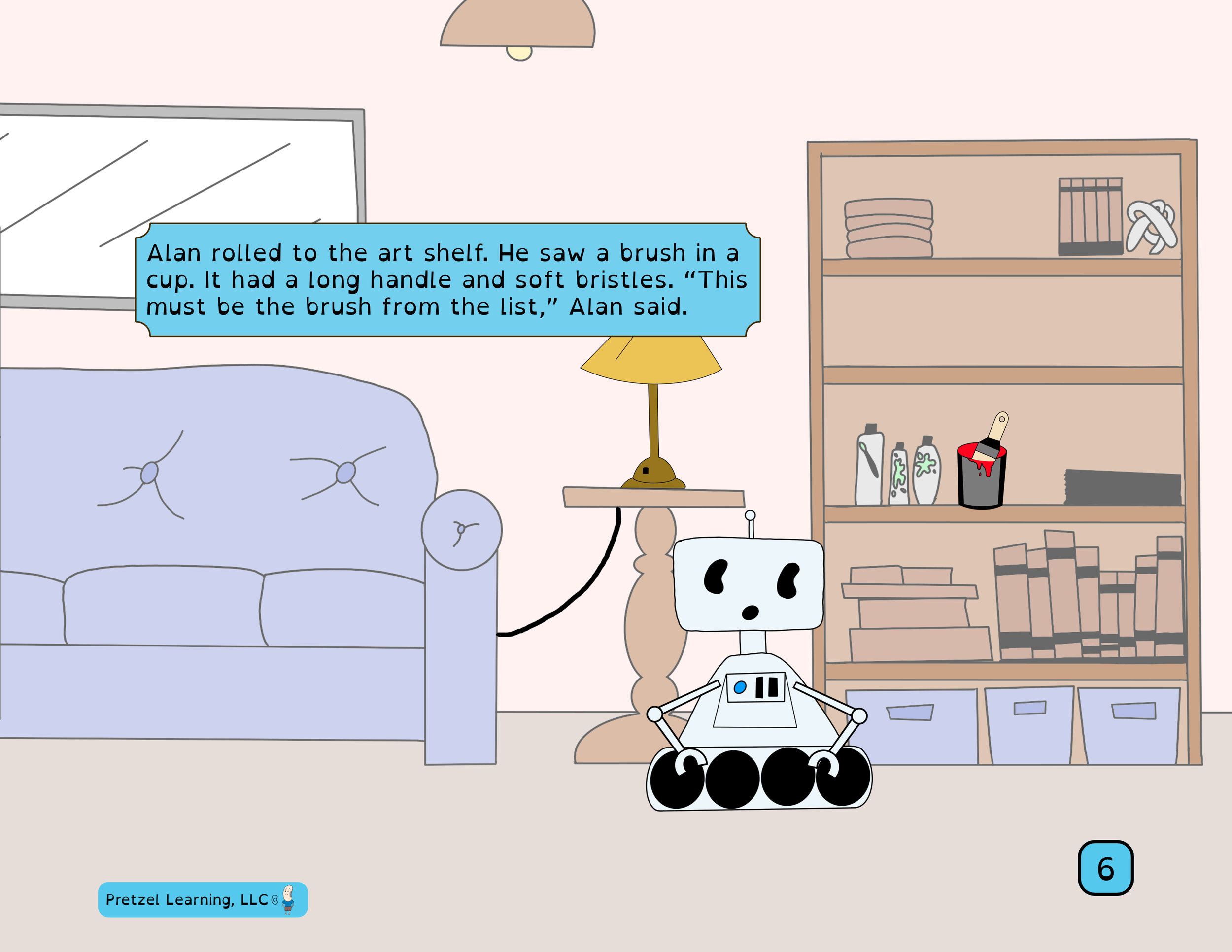 Image 1 of 4
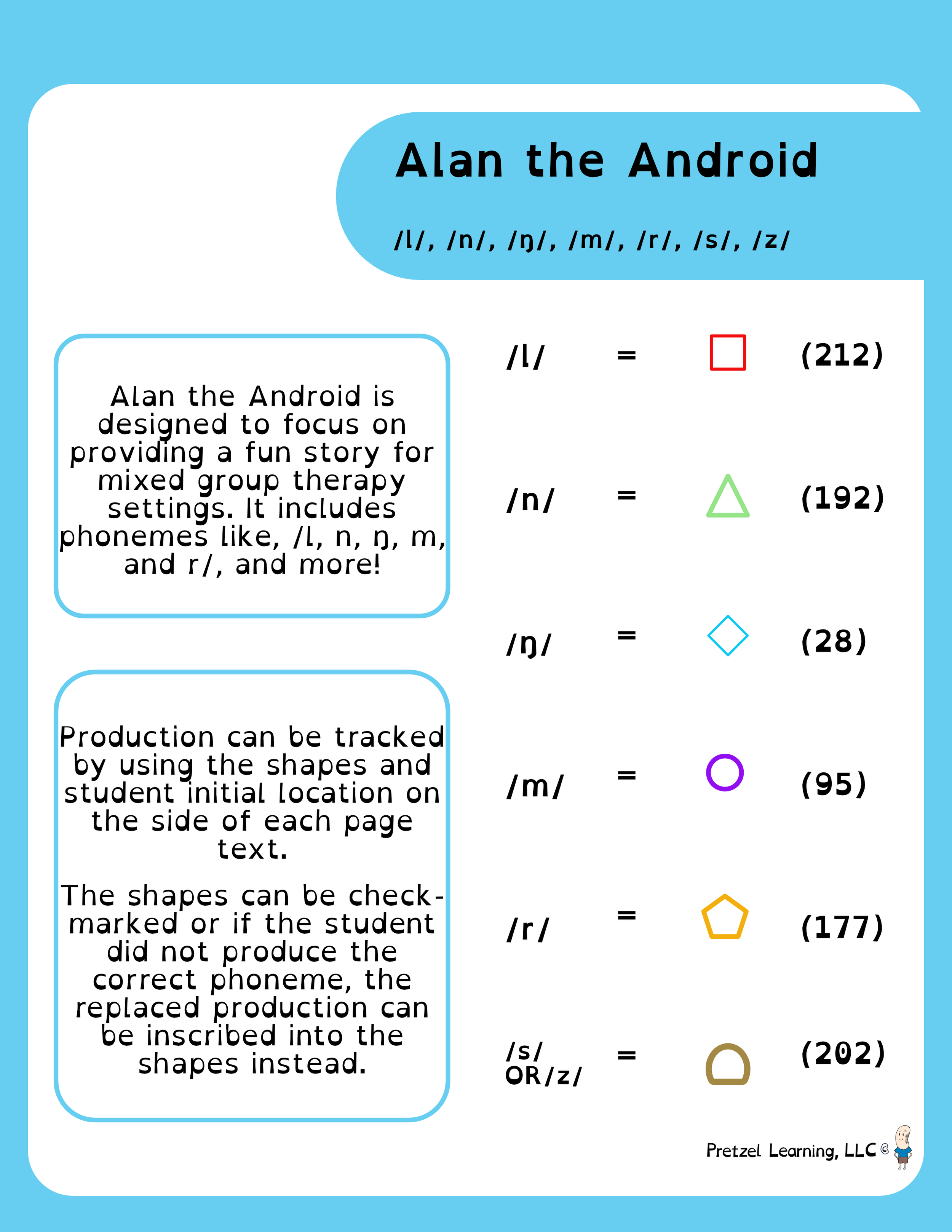 Image 2 of 4
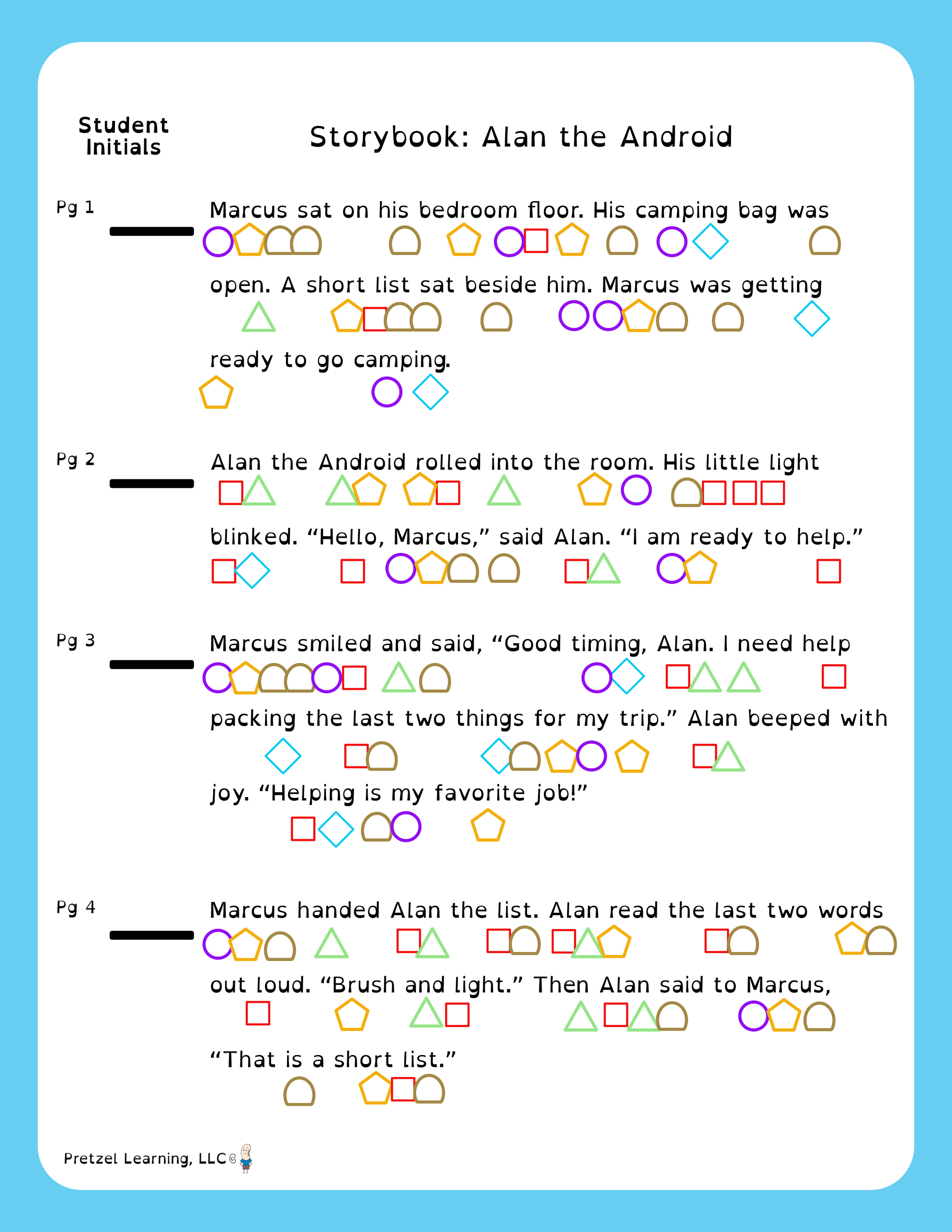 Image 3 of 4
 Image 4 of 4